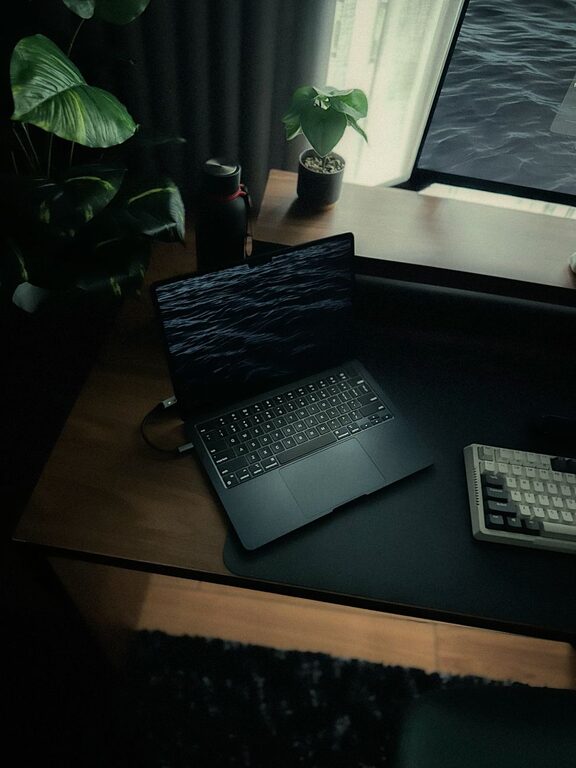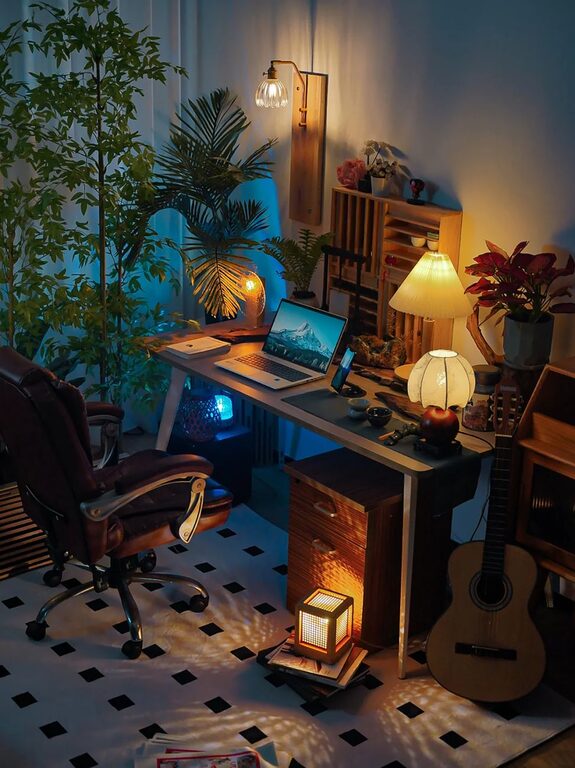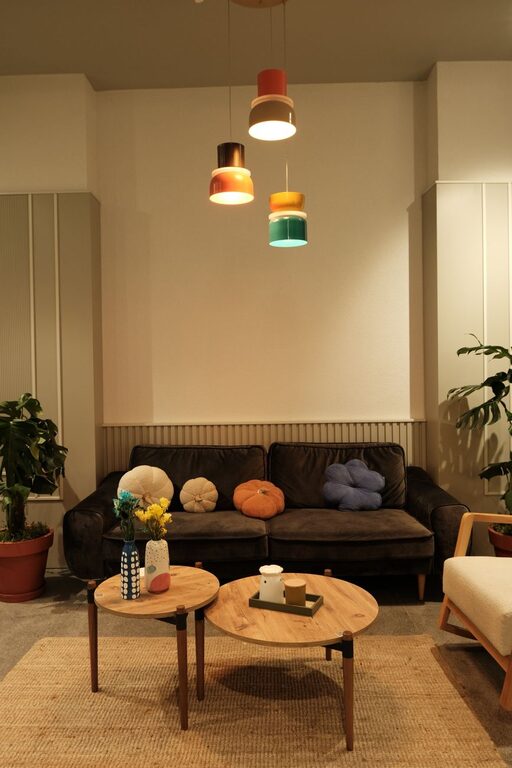

Creating a productive home office environment is essential for maintaining focus, efficiency, and well-being while working from home. Whether you are new to remote work or looking to improve your current setup, these tips can help you design a workspace that supports your best work.
Choose the Right Location
The first step to a productive home office is selecting a suitable space. Ideally, this area should be quiet, well-lit, and separate from high-traffic parts of your home.
– Quiet corner or spare room: A dedicated room or a quiet nook helps reduce distractions.
– Natural light: Position your desk near a window to benefit from natural light, which can improve mood and focus.
– Minimal interruptions: Avoid places where family members or pets frequently pass through.
Invest in Ergonomic Furniture
Comfort plays a big role in productivity. Poor posture can lead to discomfort and reduce your ability to concentrate.
– Ergonomic chair: Look for adjustable chairs that support your lower back.
– Desk height: Your desk should allow your elbows to be at a 90-degree angle when typing.
– Monitor placement: Position your computer screen at eye level to avoid neck strain.
Organize Your Workspace
Clutter can distract you and reduce efficiency. Keeping your desk tidy helps maintain focus.
– Use organizers: Storage boxes, file holders, and drawer dividers can keep supplies orderly.
– Keep essentials handy: Only keep what you need daily on your desk.
– Daily tidying: Spend a few minutes at the end of each day straightening your space.
Optimize Lighting
Good lighting reduces eye strain and helps you stay alert.
– Combine natural and artificial light: Use a desk lamp with adjustable brightness in addition to daylight.
– Avoid glare: Position monitors and lights to minimize glare on your screen.
– Use warm light in the evening: Lower light temperatures can help your eyes relax after work hours.
Minimize Distractions
Creating boundaries between work and personal life is crucial when working from home.
– Set a schedule: Stick to consistent start and finish times.
– Use noise-canceling headphones: These can block out background noise.
– Communicate boundaries: Let family or roommates know your work hours.
Personalize Your Space
Adding thoughtful touches can make your home office inviting and motivating.
– Plants: Indoor plants improve air quality and create a calming atmosphere.
– Artwork or photos: Personal items can enhance your mood.
– Inspiring quotes or calendars: Visual reminders can boost motivation and organization.
Incorporate Technology Wisely
Having the right tools can simplify your workday.
– Reliable internet: A strong connection prevents disruptions.
– Cable management: Use clips or sleeves to keep cords neat and prevent tangles.
– Backup solutions: Regularly save your work through cloud services or external drives.
Take Regular Breaks
Maintaining productivity requires periodic rest.
– Follow the 20-20-20 rule: Every 20 minutes, look 20 feet away for 20 seconds to reduce eye strain.
– Stretch and move: Stand up, stretch, or take a short walk every hour.
– Hydrate and snack wisely: Keep water and healthy snacks available to maintain energy.
Final Thoughts
A productive home office environment combines comfort, organization, and a sense of separation between work and personal life. By thoughtfully designing your workspace and establishing healthy routines, you can enhance your focus and enjoy your work-from-home experience. Remember that small improvements can make a big difference over time, so start with a few changes and adjust your setup as needed.